

How a TRT Clinic Creates a Personalized Treatment Plan
Choosing a testosterone replacement therapy clinic in the USA is more than just comparing treatment prices or looking for the fastest way to get the desirable results. For men experiencing persistent fatigue, lower sex drive, changes in body composition, or difficulties in achieving and maintaining an erection, the right starting point is understanding the underlying causes triggering them. A proper diagnosis will help both clinician and patient to move forward with a concrete treatment plan rather than mere trial and error.
While most TRT clinics in the market are busy claiming to be the best and patients’ most trusted, a reputable TRT clinic takes a personalized, evidence-based approach, with proper evaluation of the symptoms, confirms testosterone levels through appropriate testing, reviews individual medical history and health goals, and recommends a practical and result-driven treatment plan.
If you’re looking for a comprehensive guide to make an informed decision, you are in the right place. This guide explains what to expect from the process, questions to ask before choosing a provider, and practical tips to evaluate a TRT clinic in Cerritos or elsewhere in the United States. Let’s get started.

What is a Personalized TRT Treatment Plan?
A personalized TRT treatment plan is usually a medical approach designed around an individual’s symptoms, diagnosis report, health history, treatment goals, and safety considerations.
In men, Testosterone plays a role in sexual function, muscle and bone health, red blood cell production, and other bodily processes. However, symptoms such as low energy, reduced libido, difficulty concentrating, and changes in body composition can also be related to other underlying issues. This is why experts suggest a proper evaluation of the symptoms to confirm low T, to achieve desirable results, and avoid probable side effects.
Understanding that distinction matters when selecting a testosterone therapy clinic. The objective should not simply be to raise a laboratory number, but to determine whether a genuine deficiency exists, identify relevant contributing factors, and establish a safe, measurable approach to treatment.
Here is a detailed breakdown of what a personalized TRT treatment should look like:

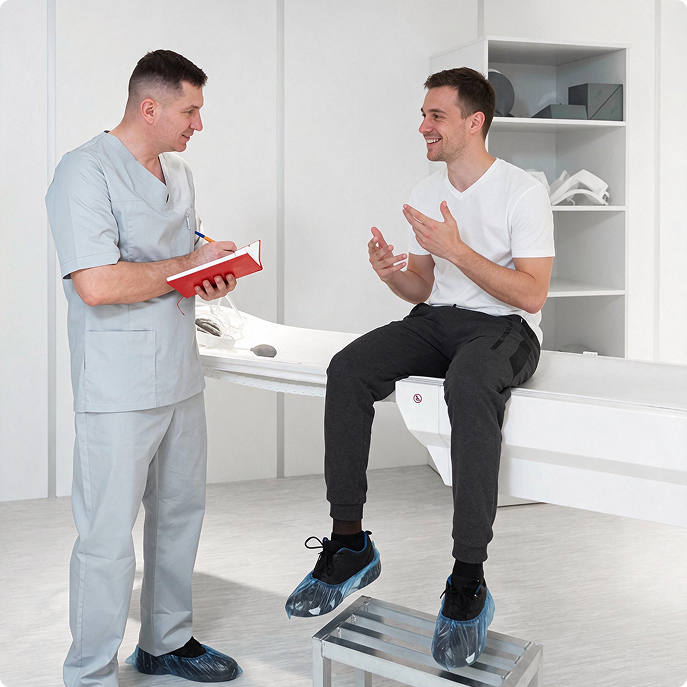
Step 1: A Detailed Evaluation of Symptom and Health History
A good TRT doctor starts with a conversation, not a needle. The Endocrine Society’s guidance asks clinicians to rule out reversible contributors first, including obesity and medications such as opioids and corticosteroids. Sleep matters too: 55% of men in that study had documented obstructive sleep apnea, a condition that can cause tiredness and low libido on its own. Expect questions about sleep patterns, weight, medications, mood, alcohol, fertility plans, and family history of heart or prostate disease. Your answers shape every later decision.
Step 2: Confirming Low Testosterone With the Right Labs
Both the Endocrine Society and the American Urological Association (AUA) call for at least two early-morning testosterone tests, because testosterone naturally peaks in the morning.
A trusted testosterone clinic also typically checks:
- LH and FSH, to tell whether the problem starts in the testes or in the brain’s signaling
- Hematocrit and hemoglobin, as a safety baseline before therapy
- PSA, which the AUA advises measuring in men over 40 before starting treatment
- Prolactin or estradiol, when the picture or symptoms call for it
If a clinic skips this stage, treat it as an unfit choice.
Step 3: Choosing a Therapy That Fits Your Life
Once low testosterone is confirmed, the plan becomes truly personal. FDA-approved options include injections, topical gels, transdermal patches, and buccal systems applied to the gum or cheek. While the range of treatment options is diverse, these three factors often steer the decision:
- Fertility Planning Goals
Testosterone suppresses sperm production and should not be prescribed to men actively trying to conceive. Clinicians may discuss other safer alternatives or selective estrogen receptor modulators instead.
- Product quality
The AUA (American Urological Association) recommends commercially manufactured testosterone over compounded versions when possible.
- Lifestyle
Experienced clinicians mostly recommend lifestyle counseling for all men with testosterone deficiency, and the Endocrine Society notes that when low testosterone is tied to excess weight with no other cause, weight loss is typically first-line. Go for a safer weight loss therapy to reduce the risk in the first place.
That last point is why the best clinics treat TRT as one piece of a broader men’s health plan, not a standalone fix.
Step 4: Weighing Benefits and Risks Honestly
Trustworthy clinics explain the evidence, including the uncomfortable parts. The picture is not risk-free. The AUA adds that treatment may improve erectile function and libido in men with true deficiency, and that low testosterone itself is a cardiovascular risk factor. This is why every man with confirmed symptoms is usually recommended a personalized plan and not just a one-size-fits-all solution.
Step 5: Monitoring, Adjusting, and Reviewing
Starting therapy is just the beginning of the plan, not the end. The AUA recommends an initial follow-up level to confirm targets are reached, then testosterone checks every 6 to 12 months. A routine follow-up helps the clinician to understand the patient’s responsiveness and determine the next medications and treatment plans.
How to Choose the Best TRT Clinic in the USA
Use this checklist when comparing any testosterone replacement clinic to save your effort, health, and money:
- Two morning tests before treatment, with a clinician reviewing the results
- A licensed physician in charge, with direct access for questions
- A full baseline, including hematocrit and, where appropriate, PSA
- More than one treatment option, with the reasoning explained
- Scheduled follow-up labs, not just refills
- Honest risk discussion, including blood pressure, clotting, fertility, and prostate considerations
- Transparent pricing and no guaranteed results
Local access matters too. A TRT clinic in Cerritos or elsewhere in Southern California makes in-person labs and follow-ups far easier to keep up with, and consistency is what makes monitoring work.
Final Thoughts: Choose a Plan, Not Just a Prescription
A personalized TRT treatment plan is built on accurate diagnosis, clear communication, and steady monitoring. If you are experiencing persistent fatigue, low drive, or changes in sexual performance and weight, start with proper testing and an unhurried consultation. A trusted name like Men’s Health TRT in Cerritos, known for advanced, non-invasive care under expert medical supervision, shows what that looks like in practice, including support for ED and weight-loss goals alongside TRT. Ready to find out the root cause? Schedule a consultation and get a tailored plan built for you.
Frequently Asked Questions
1. How long does it take a TRT clinic to create a treatment plan?
Often one or two visits plus lab work. Because guidelines call for two separate early-morning tests, expect a short gap before therapy begins.
2. Can a testosterone clinic prescribe TRT based on symptoms alone?
A careful one will not. Both the Endocrine Society and the AUA require symptoms combined with consistently low lab results to confirm symptoms.
3. Is TRT safe?
For men with confirmed deficiency, large trial data such as TRAVERSE showed no increase in serious cardiovascular events versus placebo, but TRT can raise blood pressure and hematocrit and was linked to more pulmonary embolisms. Monitoring is essential.
4. Can TRT help with ED and weight?
It may improve erectile function and libido when low testosterone is the cause, but ED has many causes. For weight-related low testosterone, weight loss is typically first-line. A physician can tell you which applies.