
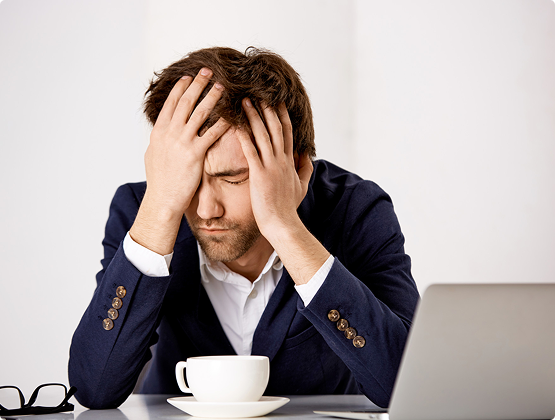
7 Unexpected Signs Your Testosterone Levels May Be Lower Than You Think
Have you been feeling tired, unmotivated or simply not like yourself lately? Many men assume these changes are just part of getting older or living a stressful lifestyle. However, they could actually be low testosterone symptoms that often go unnoticed. While reduced libido and fatigue are well-known signs, there are several unexpected symptoms of low testosterone that many men overlook. Recognizing these early warning signs can help you seek treatment before they begin affecting your long-term health and quality of life.

Why Low Testosterone Often Goes Undetected
Testosterone drops gradually as men get older – usually starting after 30. But it is not just age. Poor sleep, chronic stress, obesity, diabetes, some medications and hormonal disorders can make it fall even faster.
Because many low testosterone symptoms in men develop gradually, like just getting older, being tired or dealing with stress, the changes get in slowly. Hence, it’s easy to ignore them or think they’re nothing unusual. Instead of finding a hormone issue, most men just get used to having less energy, losing motivation and feeling weaker. But if you notice these signs early on, it’s a lot easier to get your hormones back on track and start feeling better.
What is Low Testosterone?
Testosterone drives a lot for men – muscle strength, sex drive, energy, bone health, mood, focus and even sperm. Drop below what is normal and things tend to change. Every man’s story looks a little different, but spotting the signs lets your doctor dig in, figure out what’s behind it and recommend a game plan to get you back on track.
7 Unexpected Signs Your Testosterone Levels May Be Lower Than You Think
1. Sleeping Enough but Still Feel Exhausted
Persistent exhaustion is a big clue – most of the men miss. Even after a solid night’s sleep, everything feels like a slog. Simple tasks take more effort and energy. It just keeps slipping away. Testosterone powers energy and muscle recovery, so when it drops, feeling wiped out all the time isn’t far behind.
2. You Are Losing Muscle Despite Regular Exercise
Showing up at the gym, eating right, but barely seeing progress? Testosterone is key to building and keeping muscle. When it drops, muscles shrink, strength slides, workouts feel tougher and recovery crawls. It often happens slowly and a lot of men don’t notice right away.
3. You Are Gaining Belly Fat Without Changing Your Diet
Weight gain isn’t always caused by eating more. Lower testosterone slows your metabolism and burns less muscle, so fat sneaks in fast. And more belly fat pushes testosterone even lower. It’s an ugly cycle unless you cut straight to what’s really going on.
4. Your Mood Has Changed More Than You Realized
Testosterone doesn’t just change your body – it shifts your mood, too. Men with hormone issues often get cranky, anxious, less confident or just don’t care like they used to. Motivation drops. Stress gets harder to handle. It’s easy to blame work or everyday life, but hormones could be the root.
5. You Are Having Trouble Concentrating
If you have recently noticed forgetfulness, slower thinking or difficulty focusing, your hormones may deserve attention.
Low testosterone can affect:
| Cognitive Changes | How They May Affect Daily Life |
|---|---|
| Brain fog | Difficulty concentrating during work |
| Memory issues | Forgetting appointments or tasks |
| Slower decision-making | Reduced productivity |
| Mental fatigue | Feeling overwhelmed more easily |
Although brain fog has many possible causes, it is one of the increasingly recognized symptoms of low testosterone.
6. Your Sleep Keeps Getting Worse
Testosterone and sleep play off each other. Bad sleep lowers testosterone. Low testosterone makes it harder to stay asleep and wake up refreshed. Men with hormone issues often find themselves waking up during the night or tossing and turning. If nothing helps your sleep, it is worth a closer look.
7. Your Interest in Sex Has Declined
This one’s hard to miss. Most men with low testosterone notice their interest in sex fades and other changes can pop up too – fewer spontaneous erections or less overall satisfaction. If this sounds familiar, get it checked out.

Symptoms of Low Testosterone in Men Over 40
While testosterone can decline at any time, it is more obvious after 40. Fatigue, belly fat, lousy sleep, low sex drive, muscle loss, a short fuse, brain fog – the list goes on. Don’t just write it off as getting older.
Could Something Else Be Causing These Symptoms?
- Poor sleep quality
- Chronic stress
- Vitamin deficiencies
- Depression
- Thyroid disorders
- Poor nutrition
- Certain medications

How is Low Testosterone Diagnosed?
| Evaluation | Why It Matters |
|---|---|
| Morning testosterone blood test | Testosterone is highest early in the day |
| Free and total testosterone | Provides a more complete hormone picture |
| Medical history | Identifies possible contributing factors |
| Symptom assessment | Determines whether symptoms match hormone deficiency |
| Additional laboratory testing | Rules out other medical conditions |

Can Low Testosterone Be Treated?
- Lifestyle improvements
- Weight management
- Better sleep habits
- Stress reduction
- Nutritional support
- Testosterone Replacement Therapy (TRT), when medically appropriate

Real Patient’s Experience
Frequently Asked Questions
What are the most common low testosterone symptoms?
The most common low testosterone symptoms include fatigue, reduced libido, muscle loss, weight gain, mood changes, poor sleep and difficulty concentrating.
Can younger men experience symptoms of low testosterone?
Yes. Although hormone levels naturally decline with age, younger men can develop symptoms of low testosterone due to obesity, chronic stress, poor sleep, certain medical conditions or hormonal disorders.
Are symptoms different after age 40?
Many symptoms of low testosterone in men over 40 become more noticeable because natural hormone production gradually decreases with age. Fatigue, muscle loss, lower libido and weight gain are especially common.
Can lifestyle changes improve testosterone naturally?
Healthy sleep, regular resistance training, proper nutrition, stress management and maintaining a healthy weight can help support natural testosterone production.
When should I get tested?
If you have experienced several common symptoms of low testosterone in men for more than a few weeks despite improving your lifestyle, it is worth scheduling a professional hormone evaluation.
Bottom Line
Many men accept fatigue, lost motivation or weight gain as just aging. But these symptoms could mean your hormones need attention. Seeing low testosterone early can change your health, relationships and quality of life. If this list sounds like you, don’t guess – get tested.
Ready to Find Out What’s Really Causing Your Symptoms?
At Men’s Health Clinic, we offer thorough hormone testing and treatment plans built just for you. If these symptoms keep dragging on, don’t wait for them to take over. Book a private consult or visit our clinic today and start getting your energy, confidence and well-being.