

Why Are More Men in California Turning to TRT After 30?
Have you noticed your energy slipping even though you are only in your early 30s? Struggling with stubborn weight gain, low motivation, slow recovery after workouts or a decline in sex drive? If you are nodding along, you are not alone.
If you are looking into TRT in 30s to tackle symptoms linked to declining testosterone levels. A lot of us assume this is just what happens as we get older, but hormone imbalances can show up much earlier than most people expect. Learning why more men are considering TRT at 30, how low testosterone is properly diagnosed and what treatment actually involves can help you make a better decision for your health.
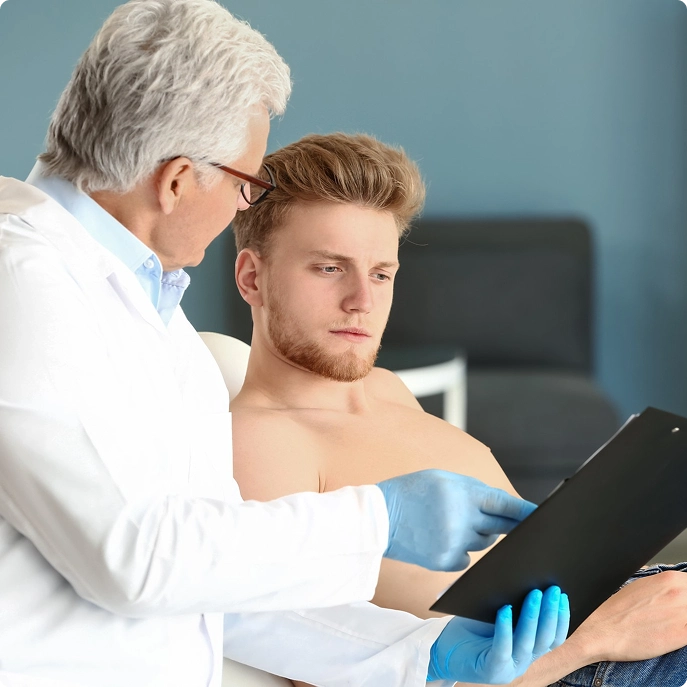
What is TRT?
Why Are More Men Considering TRT Earlier Than Previous Generations?
It is not just your imagination – TRT in 30s is coming up in conversations a whole lot more these days. Modern life is tough on men’s hormones. People are hustling at work, burning long hours, trying to keep families afloat, always “on” with emails and social media. Poor sleep and stress add up, add in too many processed diets and your testosterone can take a real hit.
There is also way more awareness now. Men aren’t just waiting until they are wiped out to get checked – they are starting to ask questions early when things start to feel off. Instead of shrugging off fatigue or low drive as just “normal,” they are actually looking for answers. That’s why TRT in your 30s has something almost nobody talked about ten years ago, which is now much more common.

Common Signs of Low Testosterone After 30
Sometimes, you will notice that low testosterone develops gradually. It’s easy to ignore, but some warning signs do stand out:
- You are always feeling tired, no matter what you do
- Your sex drive declines
- Trouble with erections
- Gaining weight faster than usual
- Losing the muscle you used to have
- Brain fog and trouble focusing
- Mood swings, sometimes anger or irritation
- Slower recovery after workouts
- Just not motivated like you used to be
- Trouble sleeping or restless nights
A lot of men blame work or age first before realizing hormones may be in the mix.
Not Every Man With Low Energy Needs TRT
Just because you feel run down doesn’t mean you automatically need TRT. Low energy, trouble focusing and poor performance can come from all kinds of things, like:
- Not sleeping enough
- Chronic stress
- Anxiety or depression
- Eating a poor diet
- Vitamin or mineral deficiencies
- Working out too much and not enough rest
- Consuming too much alcohol
- Side effects from certain medications
That is why proper medical testing and evaluation are essential before deciding whether starting TRT at 30 is appropriate.

How Do Doctors Diagnose Low Testosterone?
If you are asking yourself, “Should I start TRT at 30?” the first step is comprehensive hormone testing. Doctors usually check your:
- Total testosterone testing
- Free testosterone testing
- Overall symptom assessment
- Medical history review
- Physical examination
- Additional hormone evaluation when necessary
They will usually ask you to come in for bloodwork in the morning since that is when testosterone peaks. Simply filling out a quiz online or self-diagnosing from symptoms won’t cut it – you need proper labs and a doctor’s guidance.
Perks of TRT in 30s: Why More Men Are Considering Treatment
- Increased energy levels
- Improved libido
- Easier time building muscle and losing fat
- Faster recovery after pushing yourself physically
- Better mood and more confidence
- Increased mental clarity
- Enhanced motivation

What Do You Need to Know Before Starting TRT at 30?
Starting TRT at 30 isn’t a magic solution. Before starting, talk seriously with your doctor about:
- What you actually want from treatment, long-term
- Whether you are planning to have children soon
- Health issues you already have
- Your current lifestyle (diet, exercise, habits)
- Whether lifestyle changes could help first
- Tracking your progress with regular appointments and blood tests
Specialists usually look for ways to boost testosterone naturally before suggesting medication. The best results come from making informed choices and sticking with the plan.
What Are the Considerations Before You Try in Your 30s?
TRT can work wonders for the right candidates, but there are a few things you should expect to try in your 30s:
- Regular blood testing
- Ongoing physician monitoring
- Adjustments to treatment protocols
- Lifestyle modifications
- Periodic hormone evaluations
Fertility is a big piece, too. If you want to keep the door open for kids, ask about alternatives like clomiphene, which can help hormones without shutting down sperm production.
Natural Ways to Support Testosterone Levels Before TRT
Sometimes, you are better off fixing the basics before going straight to TRT. To help your body make more testosterone naturally:
- Get solid sleep: Aim for 7-9 hours, not just 4-5 hours of sleep each night.
- Strengthen training: resistance training helps support healthy testosterone production while improving body composition.
- Lower your stress: Cut down on what you can and add in stress relief when possible.
- Eat better (nutrition): Prioritize lean proteins, healthy fats, plenty of fruits and veggies, foods rich in zinc and vitamin D sources.
- Manage weight: Reducing excess body fat may positively influence testosterone production and metabolic health.
You’ll see major improvements with these changes alone. Give it a real shot before jumping into medication if you can.
Is 30 Too Young for TRT?
People ask this a lot: “Is 30 too young for TRT?” It’s not really about age. What matters is your testosterone level and how badly symptoms are hurting your quality of life. Some of you who are in your 30s have clinically low levels and honestly can’t function at their best without help. If the labs confirm you are low and you just don’t feel normal, it’s worth a real conversation with a doctor who knows hormones.
When Should You Seek Professional Help?
If you keep feeling tired, keep putting on weight, your drive is gone or workouts just aren’t working, stop assuming it’s just age. Get your hormones checked out. Catching things early leads to better results down the line.
Real Patient Experience
“At 34, I was wiped out, even though I worked out and slept seven hours a night. My drive was gone. I struggled to keep up at work and at home. After getting my testosterone tested and starting treatment, the difference was night and day. I had my energy back, better recovery after lifting and my focus returned. Honestly, I wish I’d figured it out sooner.” – Sam Joseph, 34.
Frequently Asked Questions
Should I start TRT at 30?
The decision depends on your comprehensive hormone testing, symptoms, medical history and professional evaluation rather than age alone.
Is 30 too young for TRT?
Can I boost testosterone naturally before trying TRT?
What happens if I quit TRT?
Is taking TRT at 30 safe?
Final Words
If you are exploring TRT in 30s because you are realizing it is not normal to feel drained, unmotivated or uninterested in sex – even if you are still young. If you are sitting there asking yourself, “Is 30 too young for TRT?” or “Should I start TRT at 30?” – Just know it all comes down to your unique hormone levels, your symptoms and how you want to feel moving forward.
The smartest thing you can do is get a real diagnosis. With the right tests, a good treatment plan and ongoing support, you can get back energy, confidence and a better day-to-day life – maybe even before things get worse.
Ready to Get Started?
If you are worried that low testosterone is dragging you down, reach out to Men’s Health Clinic. Our team offers full hormone testing, personalized plans and real support to help you boost energy, feel better and get more out of life. Book a consultation today and visit our clinic to feel like yourself again.